The Mixed-Collection Filler Strategy: How Pro Traders Build +EV CS2 Contracts
Why pure 10× single-collection trade-ups rarely stay profitable—and how mixing 3–4 target skins with 6–7 low-float fillers creates real +EV edges.
Why 10× Single-Collection Contracts Get Arbitraged Away
Whenever a clean 10× single-collection trade-up hits +15% or +20% EV, automated scanners and Discord groups spot it within hours. Buyers sweep the cheapest input listings, driving the input price up until the EV settles back near 95%–102%.
Experienced traders work around this bottleneck by splitting the 10 slots: 3 or 4 high-upside target skins paired with 6 or 7 cheap, low-float 'filler' skins from a different collection.
How CS2 Outcome Weighting Rewards Small Filler Pools
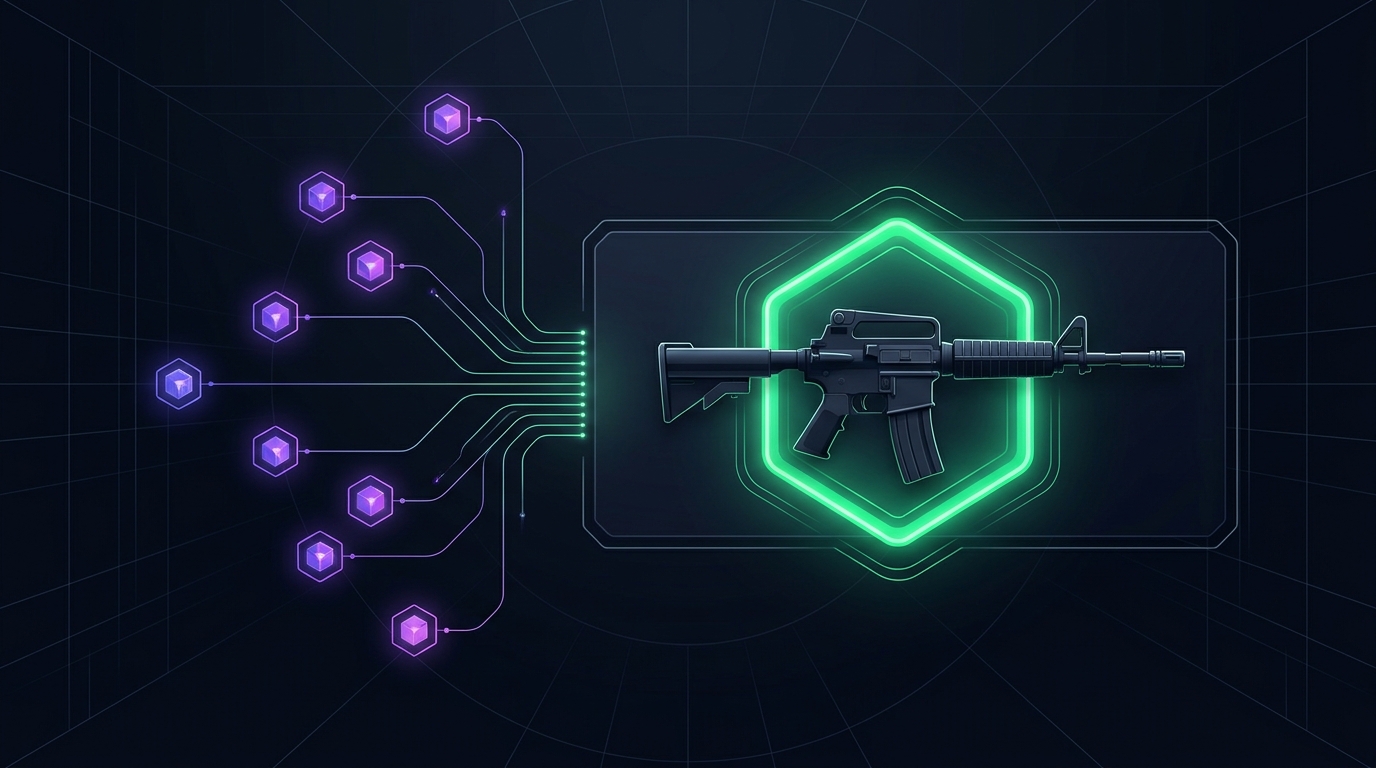
This is the mechanic that makes filler contracts work. CS2 does NOT give each input slot a flat 10% chance. Instead, each input contributes one 'ticket' for every possible next-tier skin in its own collection.
If your target collection has 3 next-tier skins and your filler collection has only 1 next-tier skin, each target input carries 3× the probability weight of each filler input.
You paid for only 3 expensive target skins, yet you capture 56.25% of the target collection's upside while cutting total contract cost in half.
What Makes a Great Filler Skin?
A filler skin has two jobs: keep the average float low enough to hit Factory New or Minimal Wear on your target, and add as few 'junk' tickets to the outcome pool as possible.
- 1 or 2 next-tier outcomes maximum in the filler's collection (fewer outcomes = less dilution).
- High daily market volume so you can actually buy 6–7 low-float copies without moving the price.
- Cheap low-float availability (e.g. 0.01–0.03 FN or 0.07–0.08 MW at minimal overpay).
- Ideally a decent consolation prize if the filler collection hits, softening downside variance.
Managing Variance on Mixed Contracts
Even a +15% EV mixed contract might only profit 35%–45% of the time—meaning you can lose 3 or 4 contracts in a row before hitting the target skin that pays for the whole session.
Never put your entire balance into a single high-variance filler attempt. Size each contract at 10%–15% of your trade-up bankroll so the math has enough attempts to converge toward expected value.